


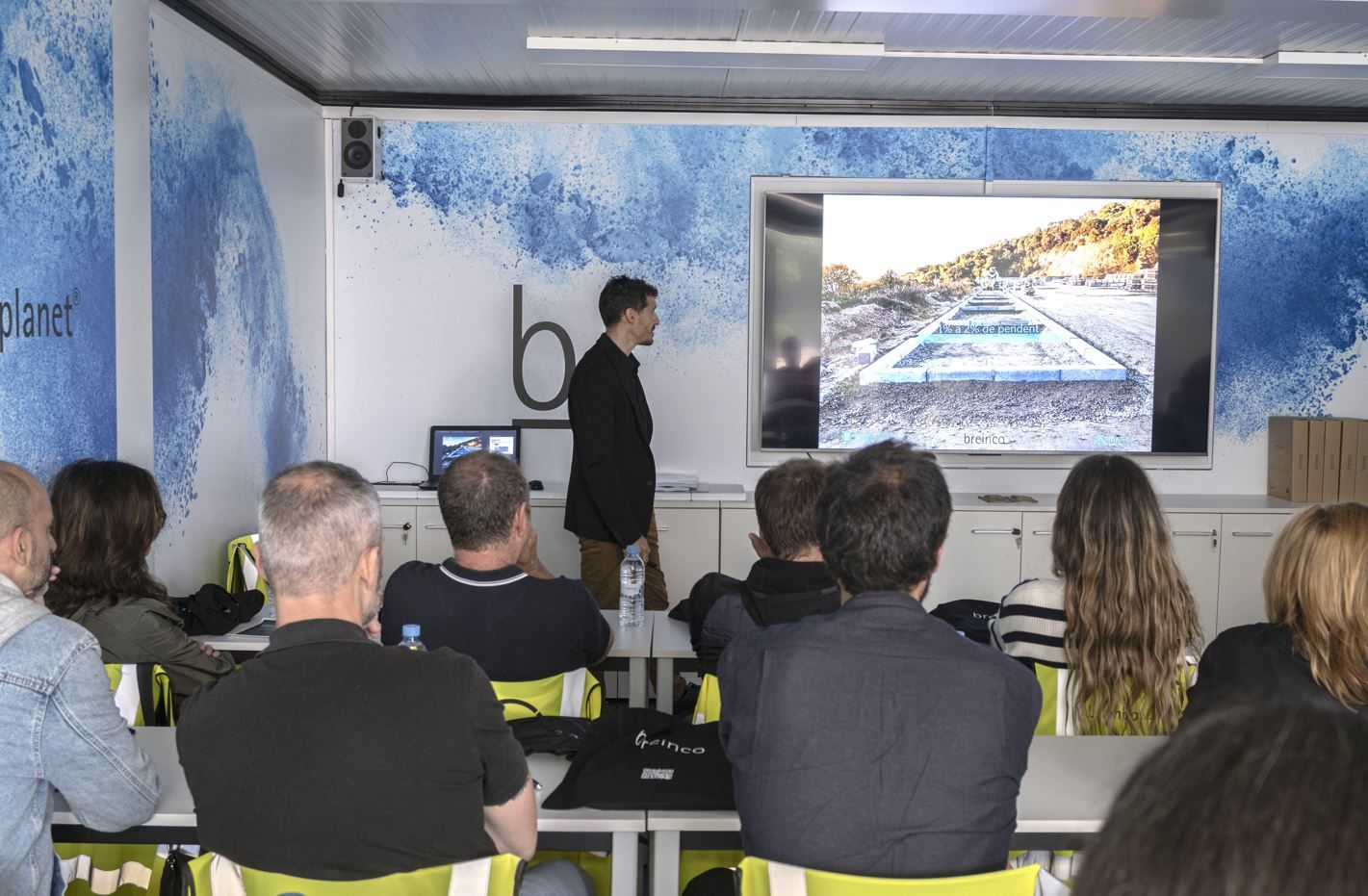
Breinco in collaboration with Smart Engineering and the UPC
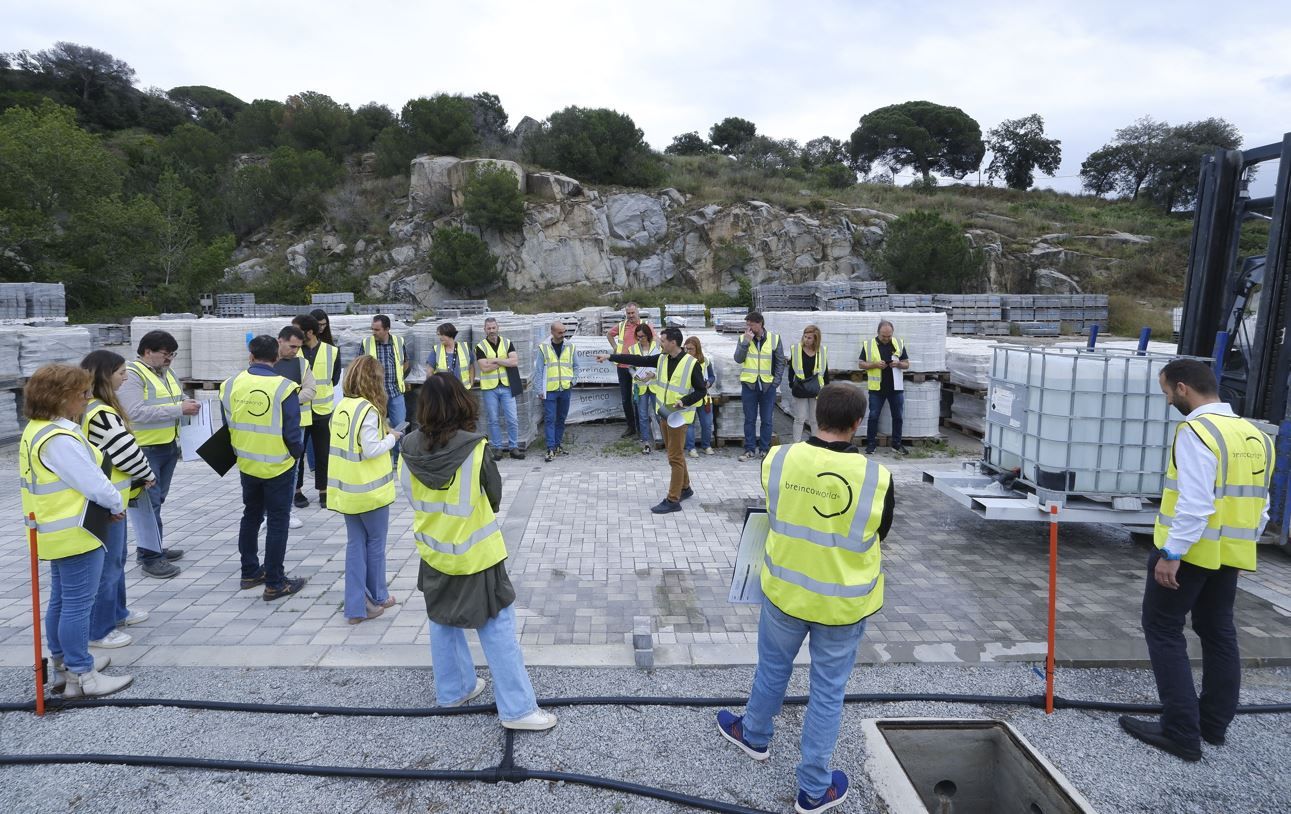
At the beginning of 2021, Breinco and the engineering firm Smart Engineering signed an agreement to design and build a test track at Breinco’s facilities, allowing for the study and analysis of different constructive paving solutions under equal conditions.
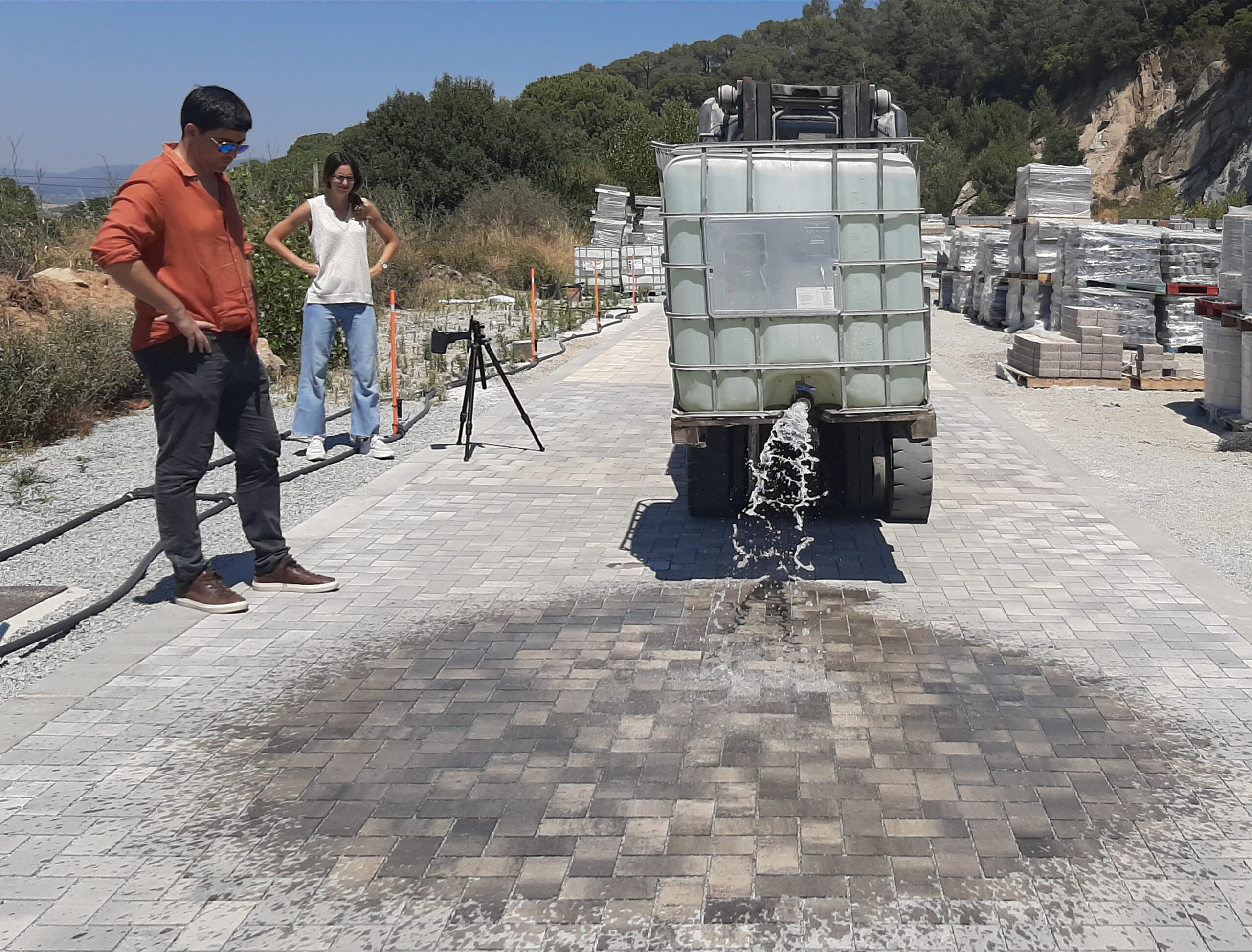
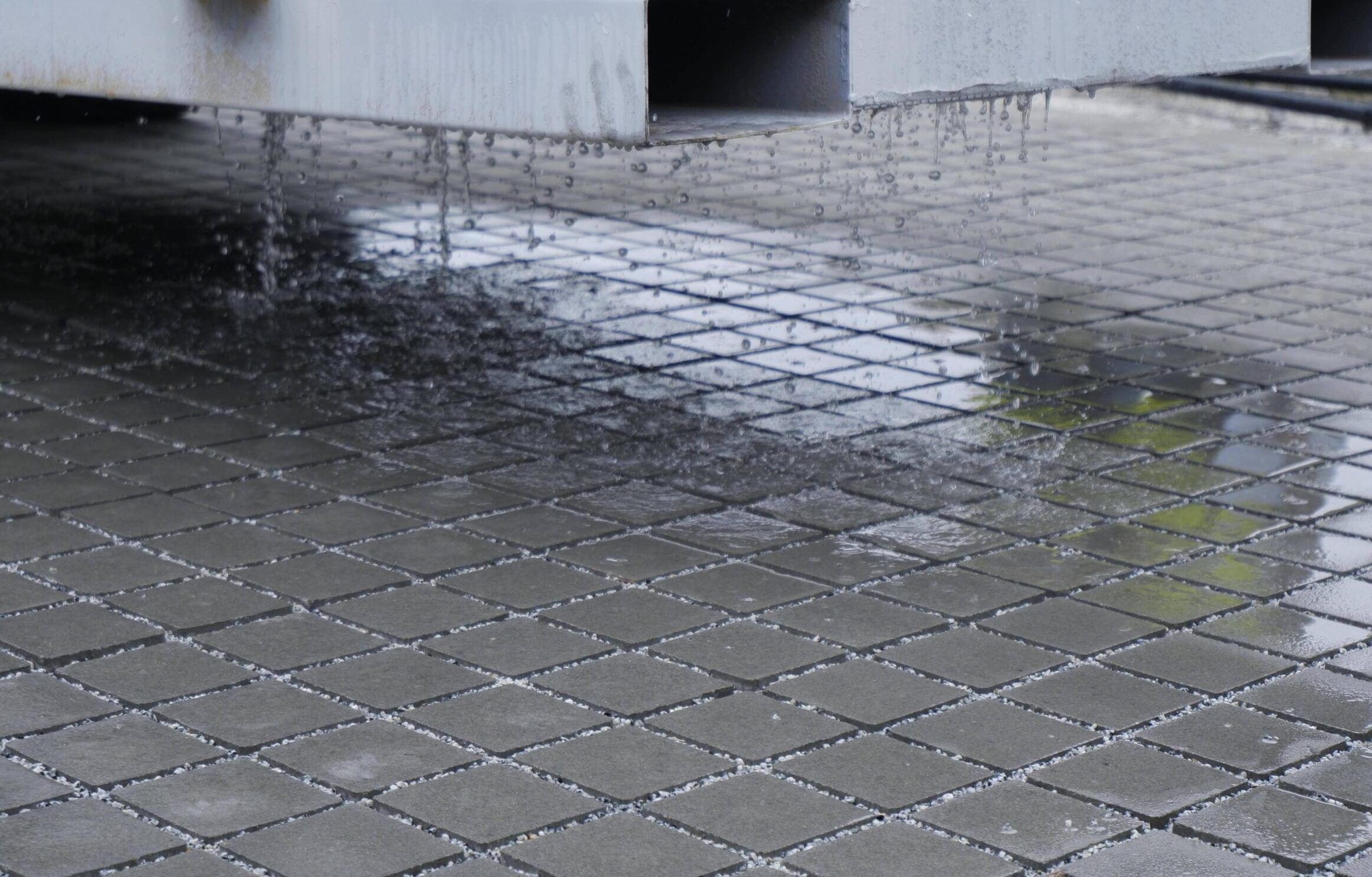
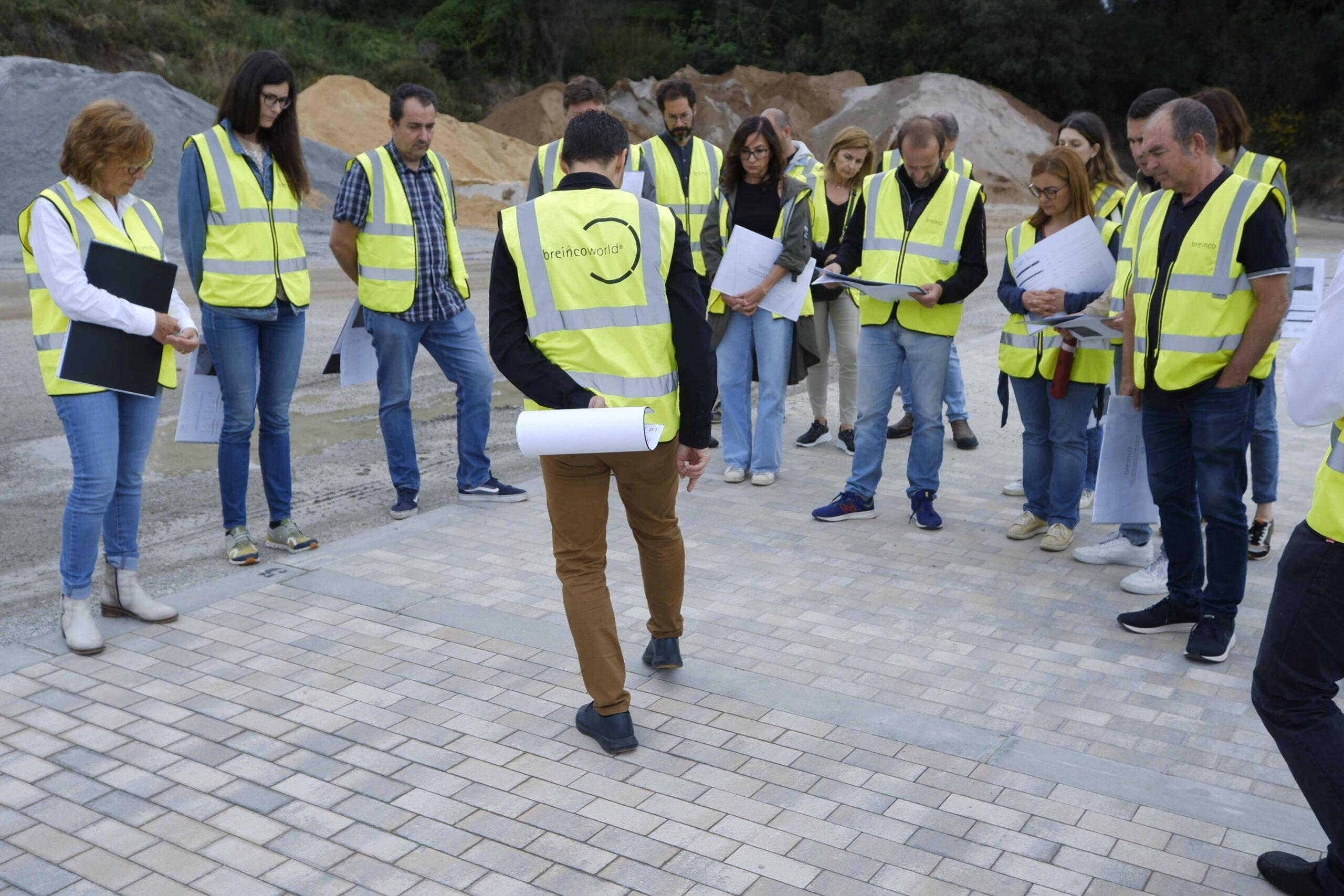
This project materialized in 2022 with the construction of a track over 65 meters long, with capacity for 13 different constructive solutions, designed to simulate climatic conditions (rain episodes), record road traffic tests, and monitor the permeability of Sustainable Urban Drainage Systems (SUDS) using our ECO-SUDS permeable pavements.
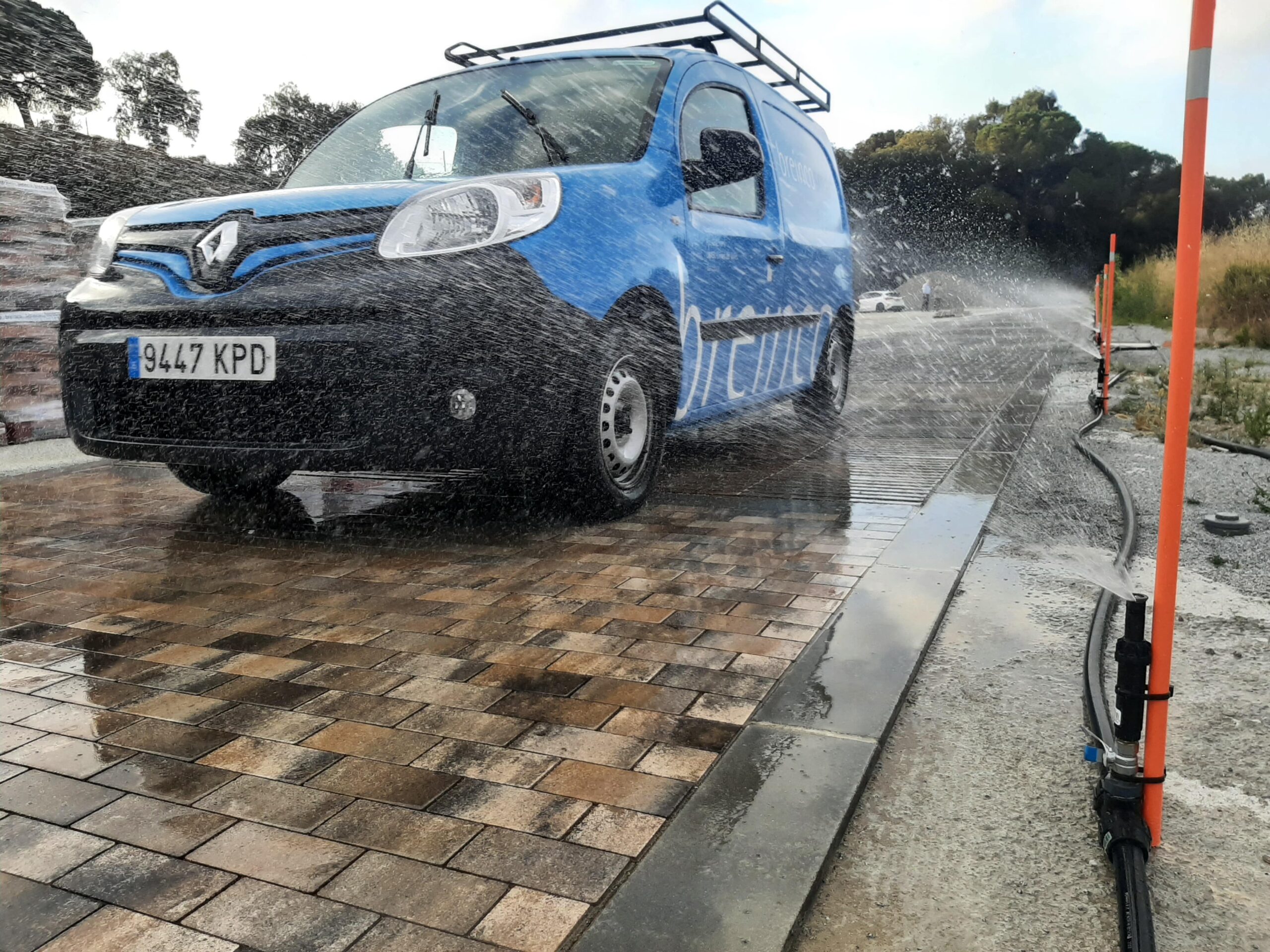
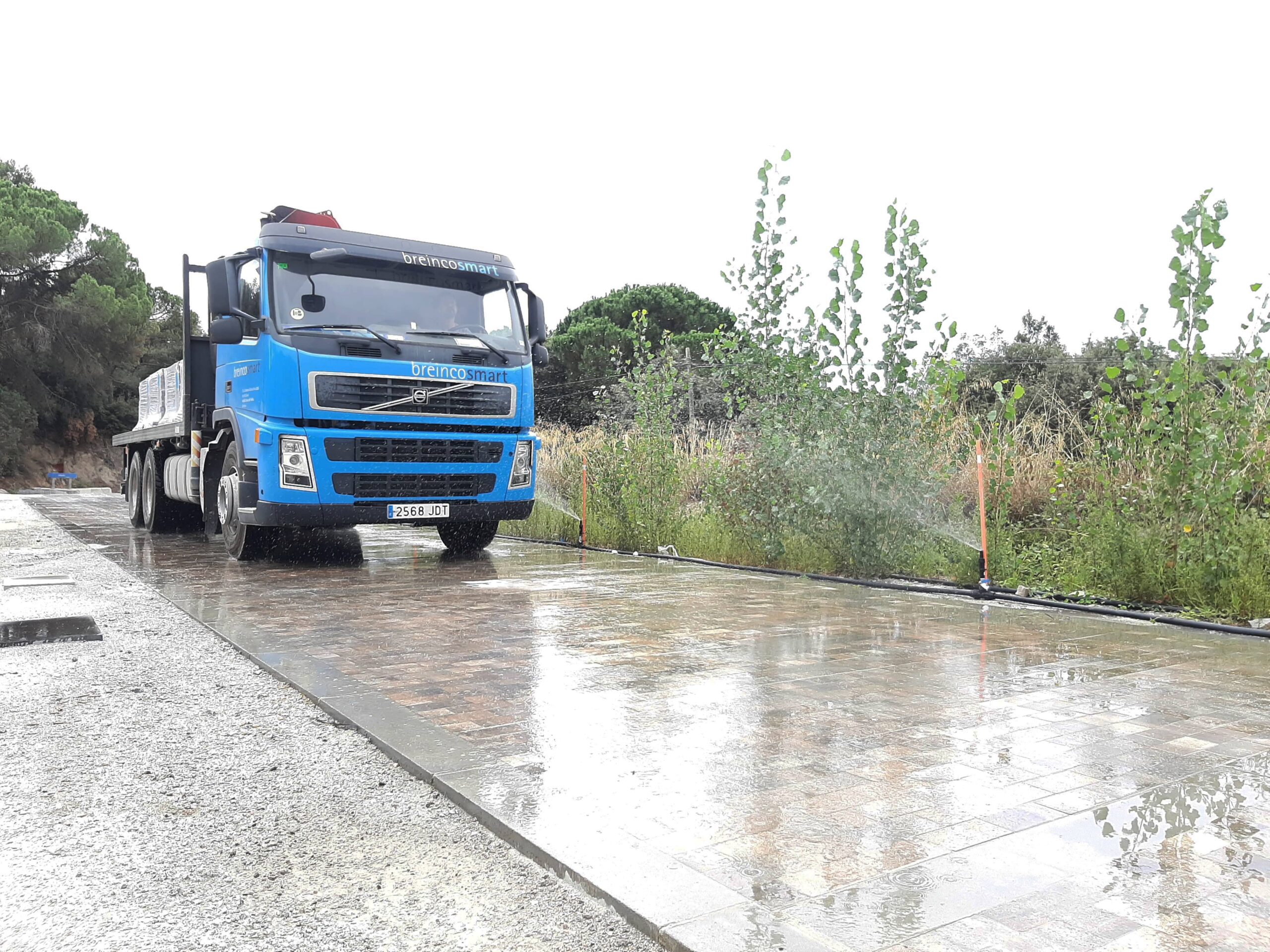
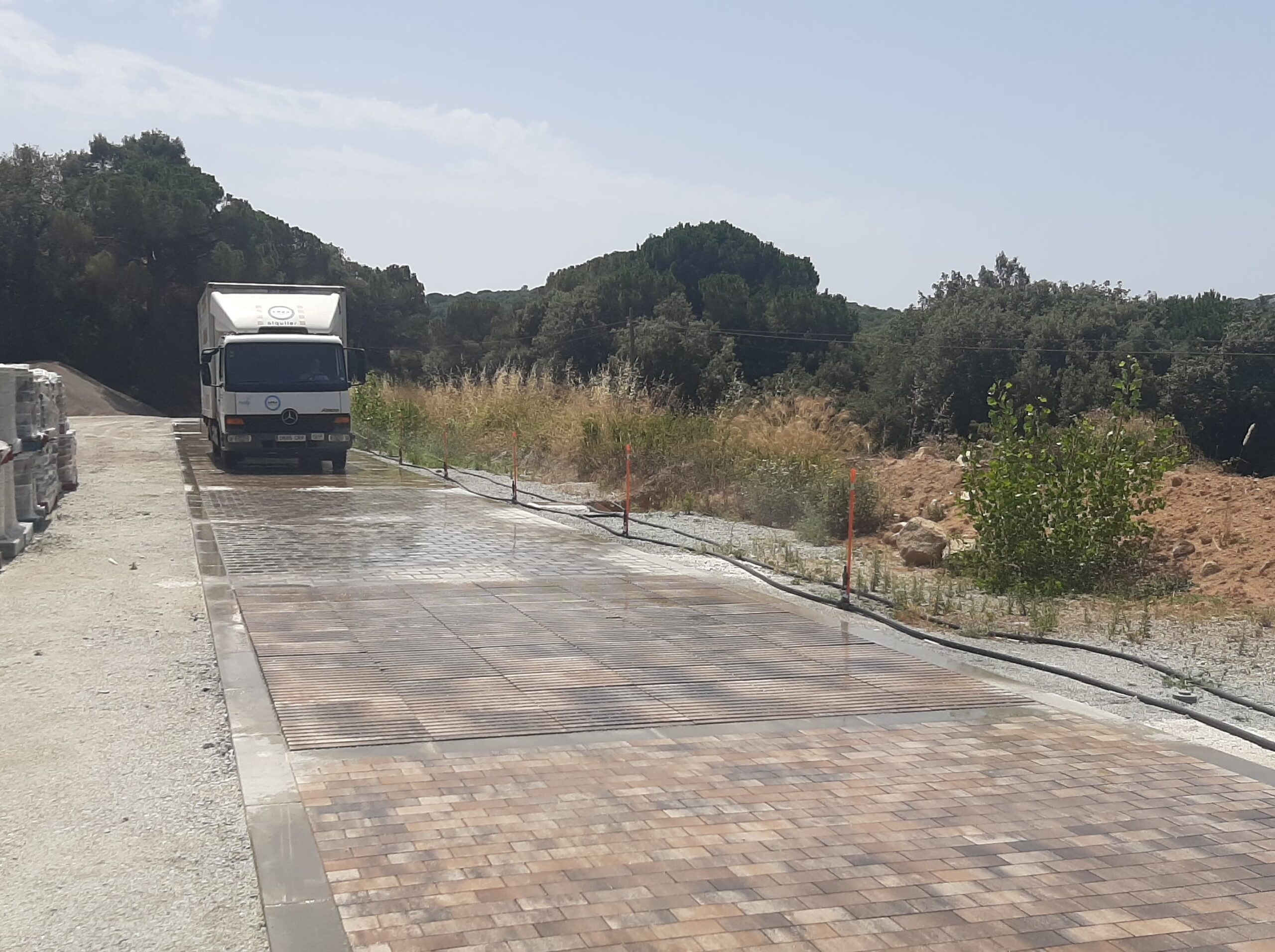
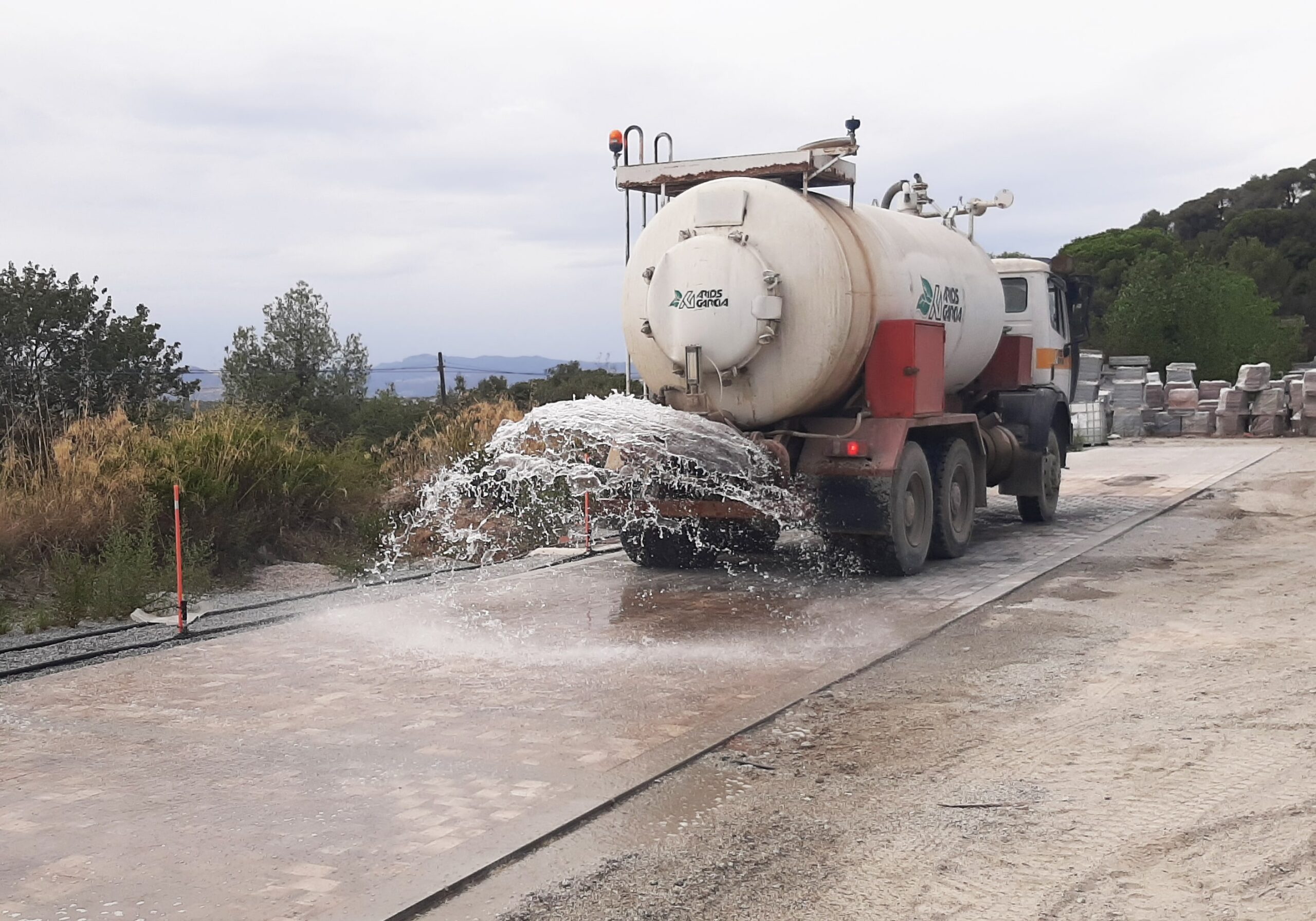
Smart Engineering, together with the Construction Engineering Research Group of the Universitat Politècnica de Catalunya (UPC), has provided crucial scientific-technical support to the project, thanks to its experience in R+D+i projects focused on civil engineering, concrete technology, and value and sustainability analysis. The synergy between industry, engineering, and university has been the collaborative model with which Breinco has carried out its latest research projects, focused mainly on the revaluation/reuse of materials and the sustainability of its products.
Studying different paving systems
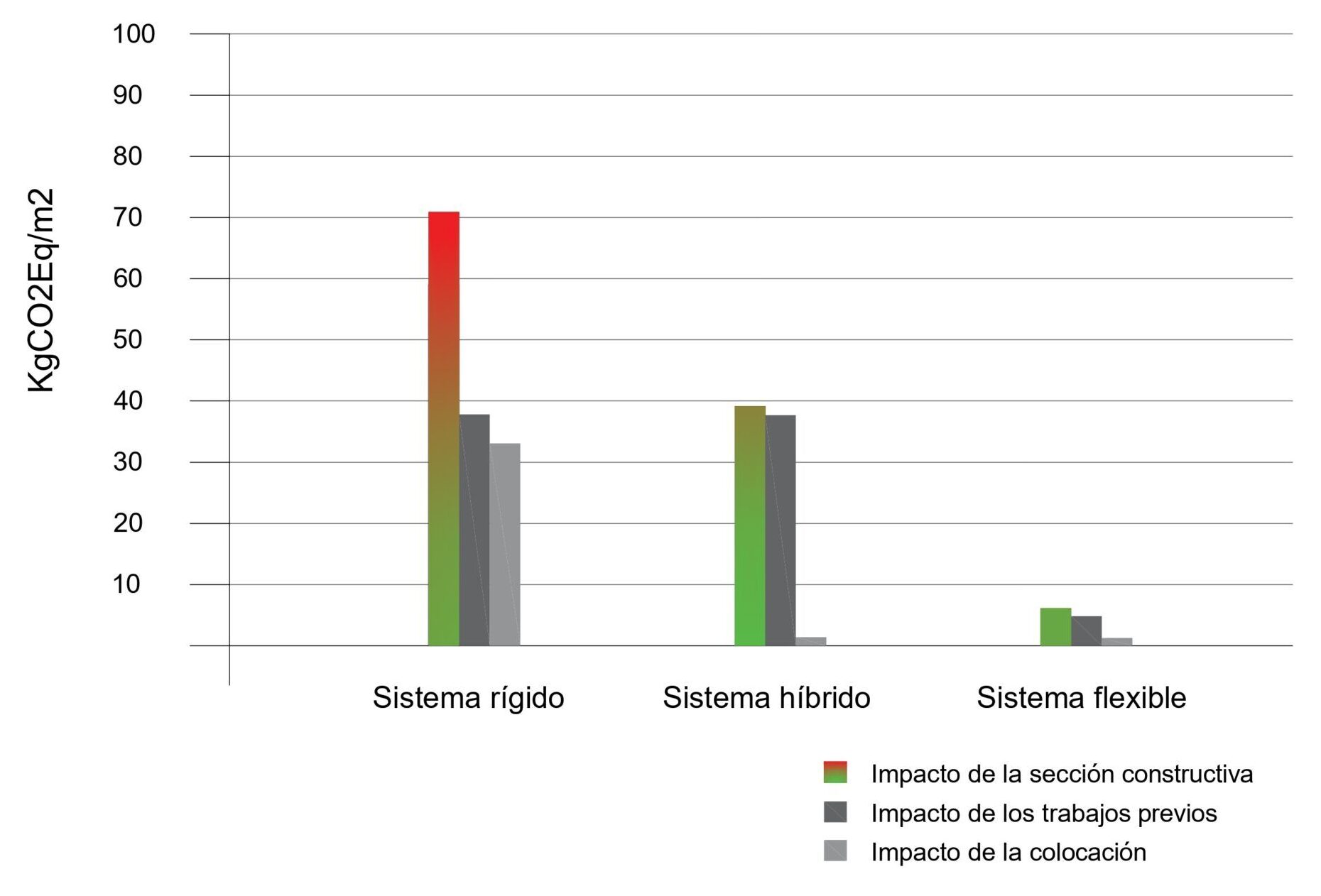
The test track was designed as a containment structure for independent constructive solutions that can be replaced over time. Therefore, this has been the first of many other analyses on pavement behavior that we will perform in the future. In this initial study, thirteen different constructive solutions were analyzed and compared: five solutions with a rigid system, five solutions with a flexible system, and three solutions with a hybrid system. Of the thirteen solutions, two are Sustainable Urban Drainage Systems using permeable pavements.
- The rigid system, as its name indicates, encompasses all solutions that seek to achieve maximum constructive rigidity. To do this, installations are carried out on a concrete base, placing the pieces with mortar and normally grouting them with Portland cement slurries or special joint mortars.
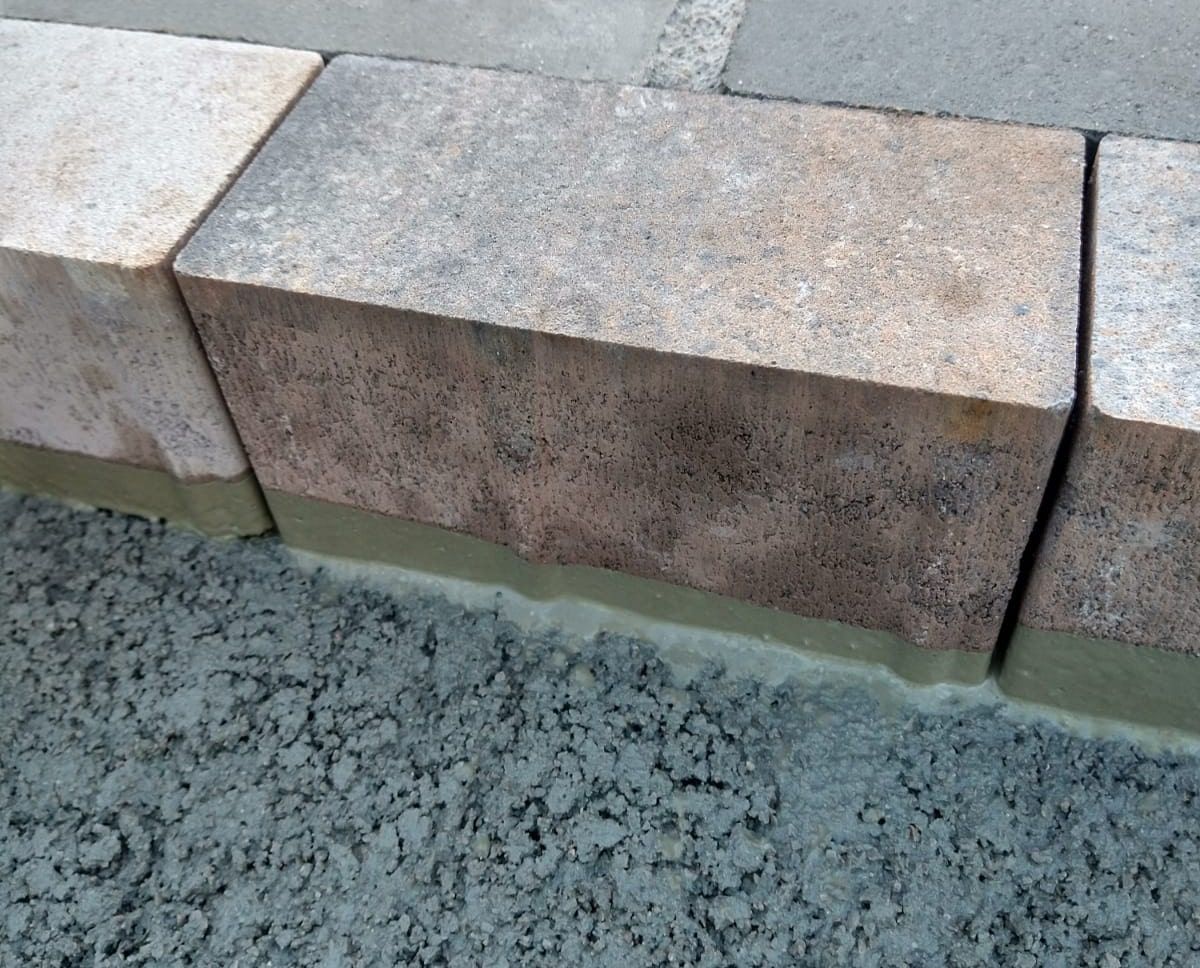
This is currently the most widely used installation system due to the strong cement culture deeply rooted in our country and, secondly, the high and oversized mechanical performance it offers. However, these advantages are accompanied by a high economic cost and a significant environmental impact. It should be noted that, although rigidity is commonly associated with strength and durability, it is also related to thermal expansion problems.
- The flexible system contemplates solutions without concrete, mortars, or cement grouting, using instead natural bases or properly compacted artificial gravel. The pieces are placed on coarse sand or fine gravel, and their grouting is normally done with fine washed sand.
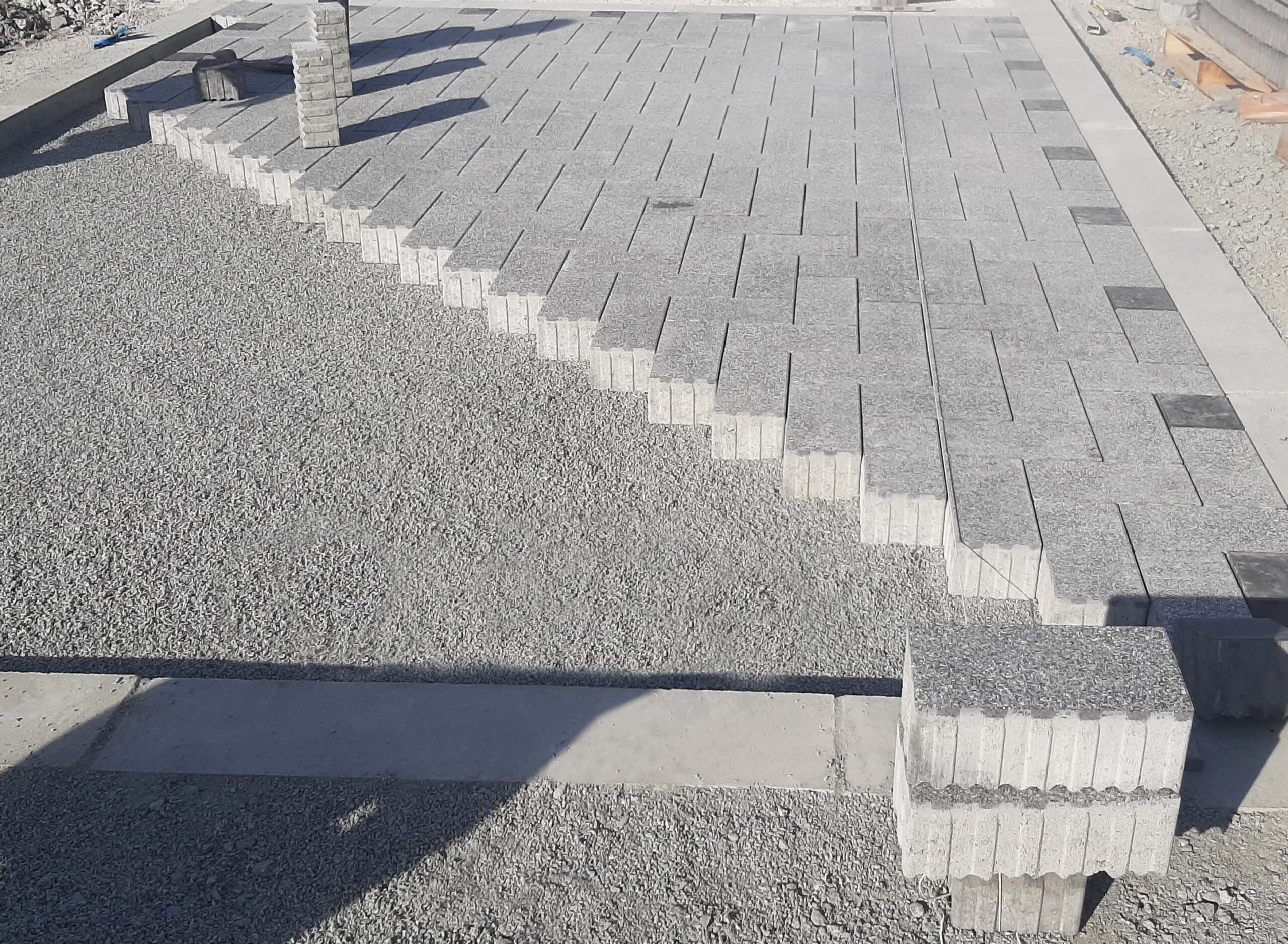
This system is the least used currently due to the lack of knowledge and technical experience regarding it and the sector’s inertia regarding the cement culture. However, there are urban crossing projects carried out more than 20 years ago that, despite the heavy traffic intensity they are exposed to, are in perfect condition. That is why we believe this system should be applied, at the very least, in any pedestrian area, such as sidewalks, promenades, squares, or even in light traffic areas, such as parking lots or limited-use vehicle roads.
- The hybrid system is a combination of the rigid and flexible systems, as it uses a concrete base like the rigid system, while the placement of the pieces is done like the flexible system—that is, on a bed of coarse sand or fine gravel, grouting the pieces with fine washed sand. This system can be said to offer the best of each previous system: a uniform and resistant foundation thanks to the concrete base and a fast, recoverable, and reusable installation thanks to the flexible placement.
Despite being increasingly used, this system remains unknown to the vast majority of technicians. Therefore, it was necessary to demonstrate on the test track the versatility and multipurpose nature offered by this interesting combination of rigid and flexible systems.
21st-century solutions for 21st-century cities
The urban model change we are currently experiencing, based on the pedestrianization/pacification of roads and the implementation of nature-based solutions—such as the one Barcelona is carrying out with the Superblocks and Green Axes projects—is encouraging the replacement of asphalt and continuous concrete with modular pavements using slabs and/or paving stones. These pavements allow for installation systems that are 100% recoverable, 100% reusable, and 100% recyclable, which, besides reducing the environmental impact of the entire constructive section by more than 60%, can be used to build Sustainable Urban Drainage Systems (SUDS) using permeable pavements, promoting the recovery of the natural water cycle in cities as well. These installation methods are the hybrid and flexible systems.
The lack of information and empirical demonstrations of the behavior of these installation systems was one of the reasons why Breinco built a unique test track for accelerated simulation at both national and international levels, once again consolidating itself as a pioneering company at the forefront of urban landscaping.

To innovate is not as simple as introducing novelties; it is investing while assuming a high risk of failure, but it is the only path to distinction.
Conclusions
In this first study conducted on Breinco’s test track, different constructive solutions using rigid, flexible, and hybrid installation systems were compared under equal conditions, as well as SUDS systems using permeable pavements. These solutions were tested simultaneously under rain and traffic conditions until reaching an urban traffic simulation corresponding to one year of C2 category according to the “Manual of concrete pavements for low-intensity roads” by the Spanish Institute of Cement and its Applications (IECA).
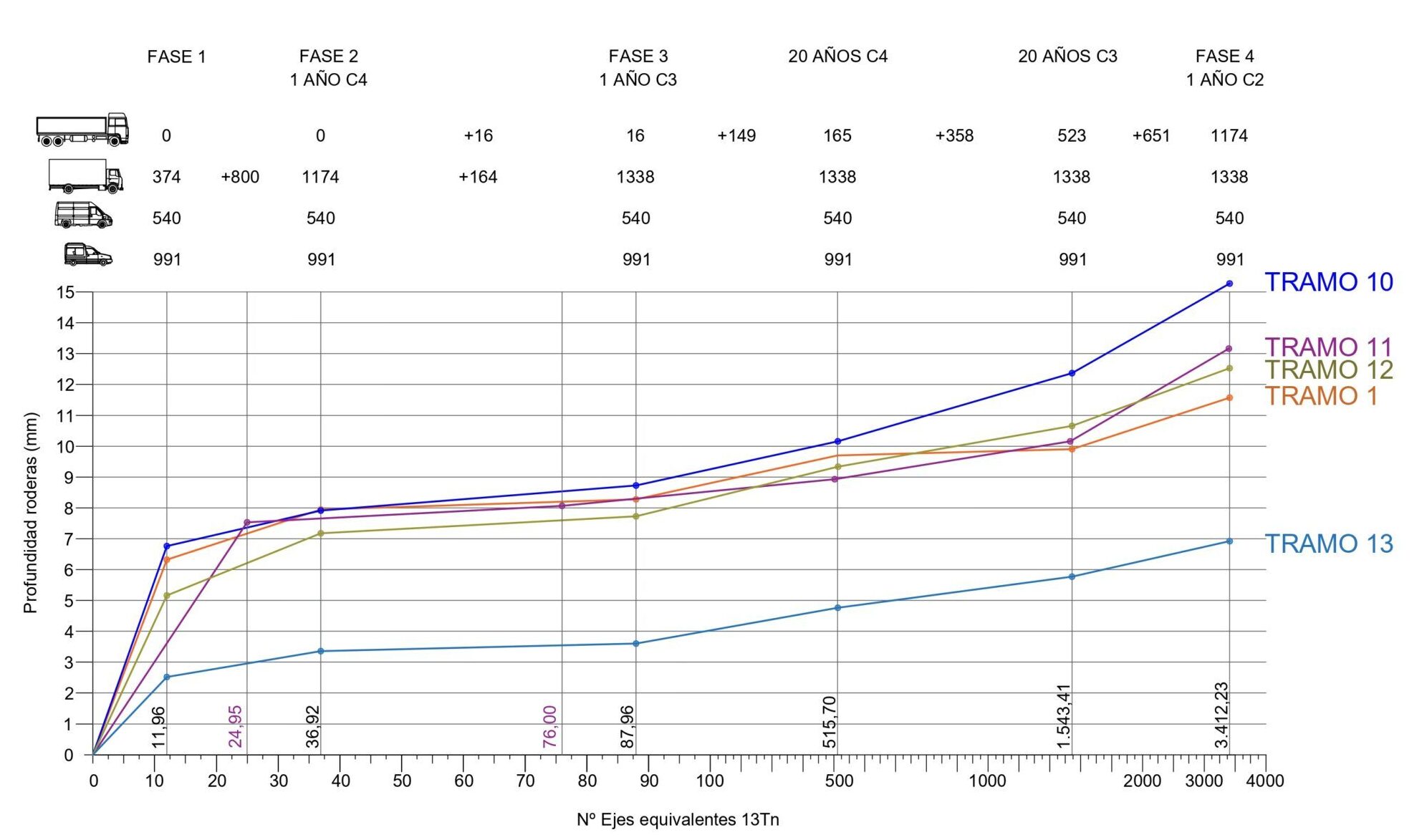
The study results revealed that:
- Rigid systems are, as expected, those that performed best under the tested traffic loads, although they are by far the ones with the highest economic and environmental impact.
- Hybrid systems also performed excellently, proving to be a clear alternative to rigid systems, being more economical and sustainable.
- Flexible systems, despite being by far the most economical and sustainable, are less suitable for heavy road traffic and are recommended for light traffic areas.
- Regarding SUDS solutions with permeable pavements, the test track proved that these solutions can also be used for road traffic.
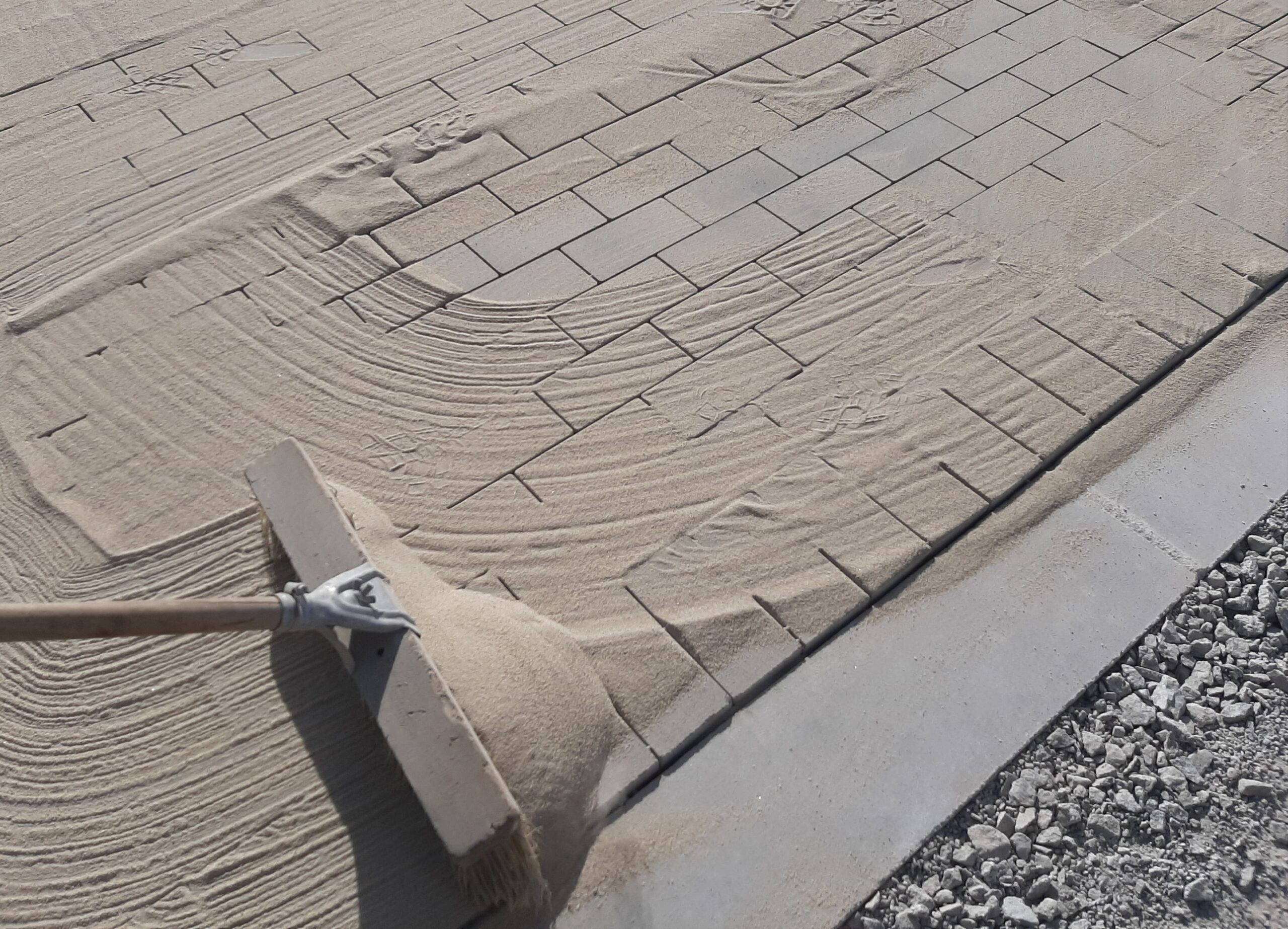
One of the most important points of the project was to demonstrate the importance of the jointing material in pavements.
- Joints with natural sands turned out to be the least effective, with greater deformations (rutting) observed in the solutions where they were used, additionally having problems with consolidation and joint emptying.
- The tendency is to use polymeric sands more frequently. Polymeric sands are, as the name suggests, sands with polymers that are activated with water and consolidate within the joints, improving—as demonstrated—the pavement’s behavior.
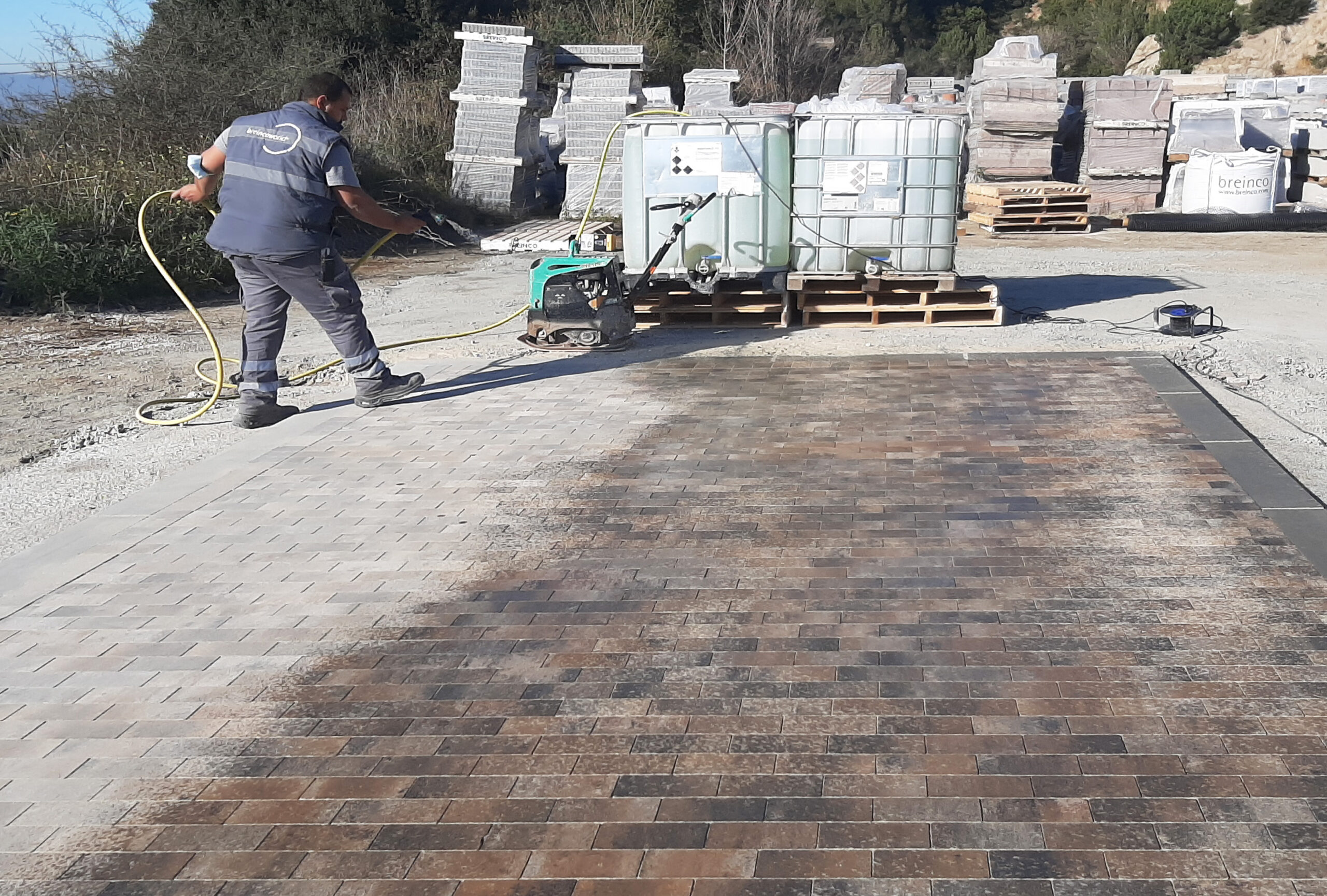
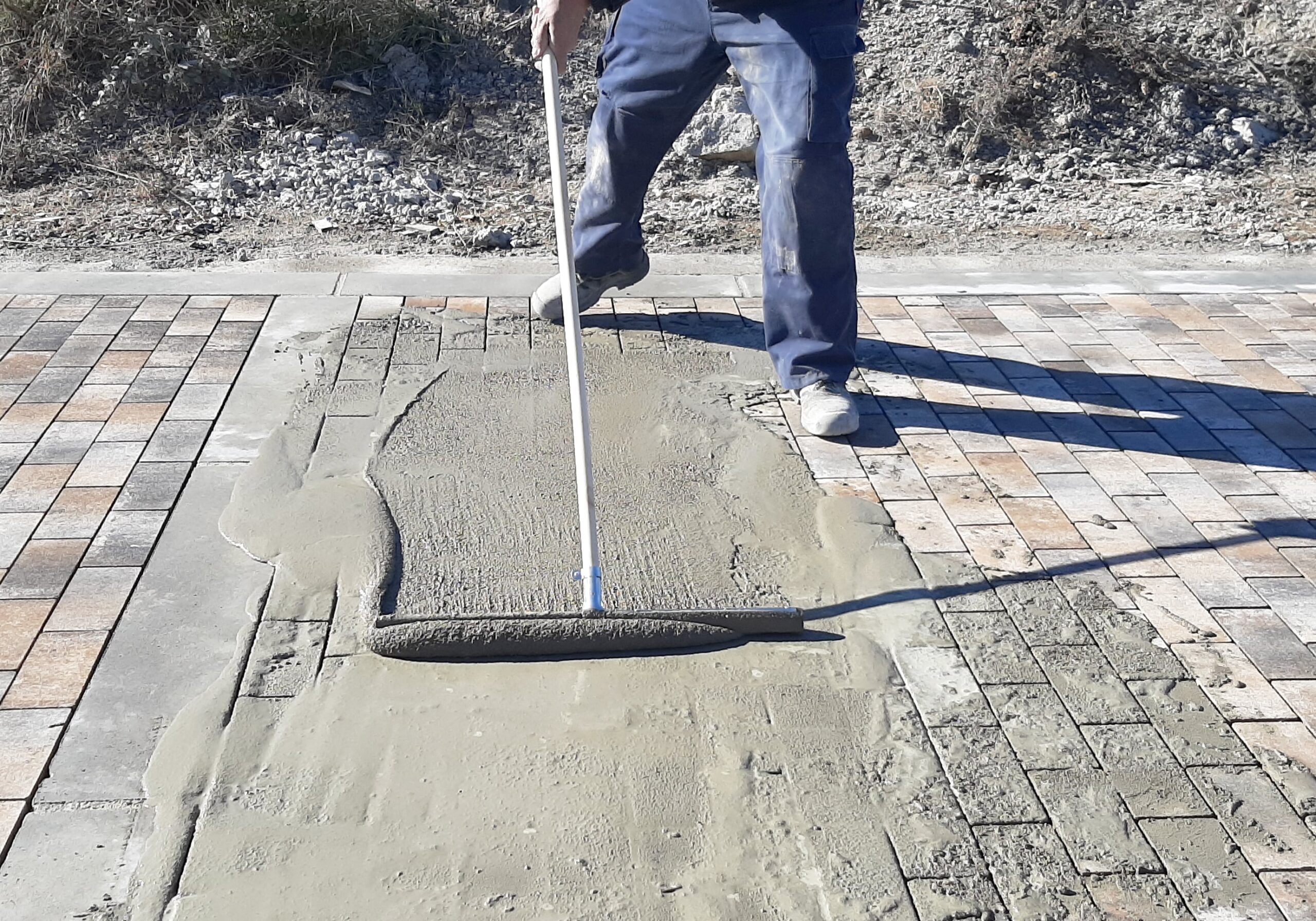
- Regarding rigid jointing, the results show that liquid cement and sand grouts are more economical and behave equivalently to jointing with special mortars. In any case, it is of utmost importance in this type of jointing to control its fluidity to ensure complete joint filling and avoid excessive concentration of surface stresses. Furthermore, they require exhaustive cleaning and, even then, they detract from the final aesthetic finish of the pavement. The final rigidity of these joints causes the pavement to behave like a continuous concrete slab, making the use of expansion joints essential.
The test track is and will be a very useful tool for understanding and optimizing the various possible constructive systems for pavement construction, which will allow Breinco to innovate and, in turn, demonstrate the viability of new more durable, economical, and sustainable installation systems in the future.
Request the technical report of the project through the following form.
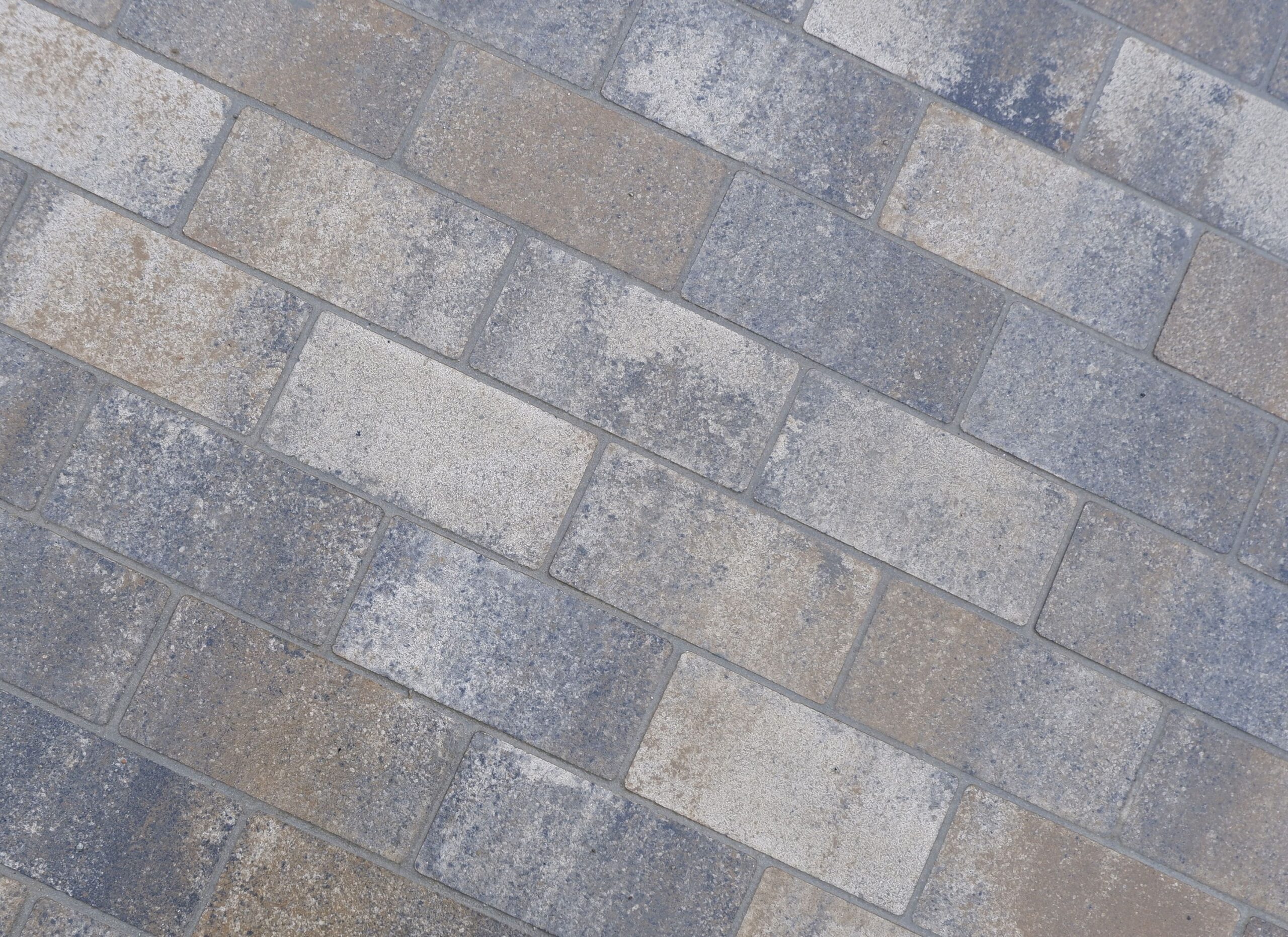
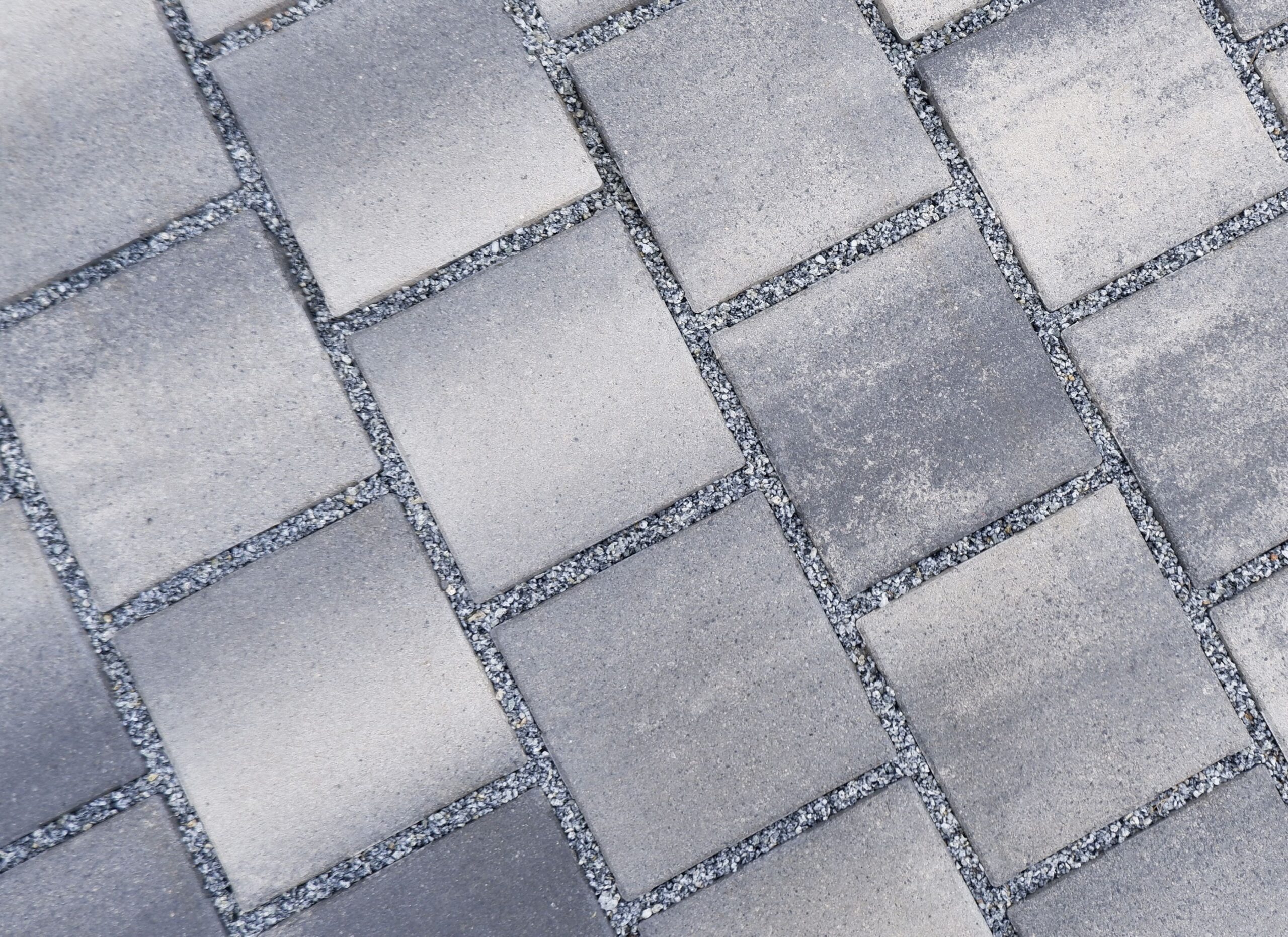
Which pavements were part of Breinco’s test track?
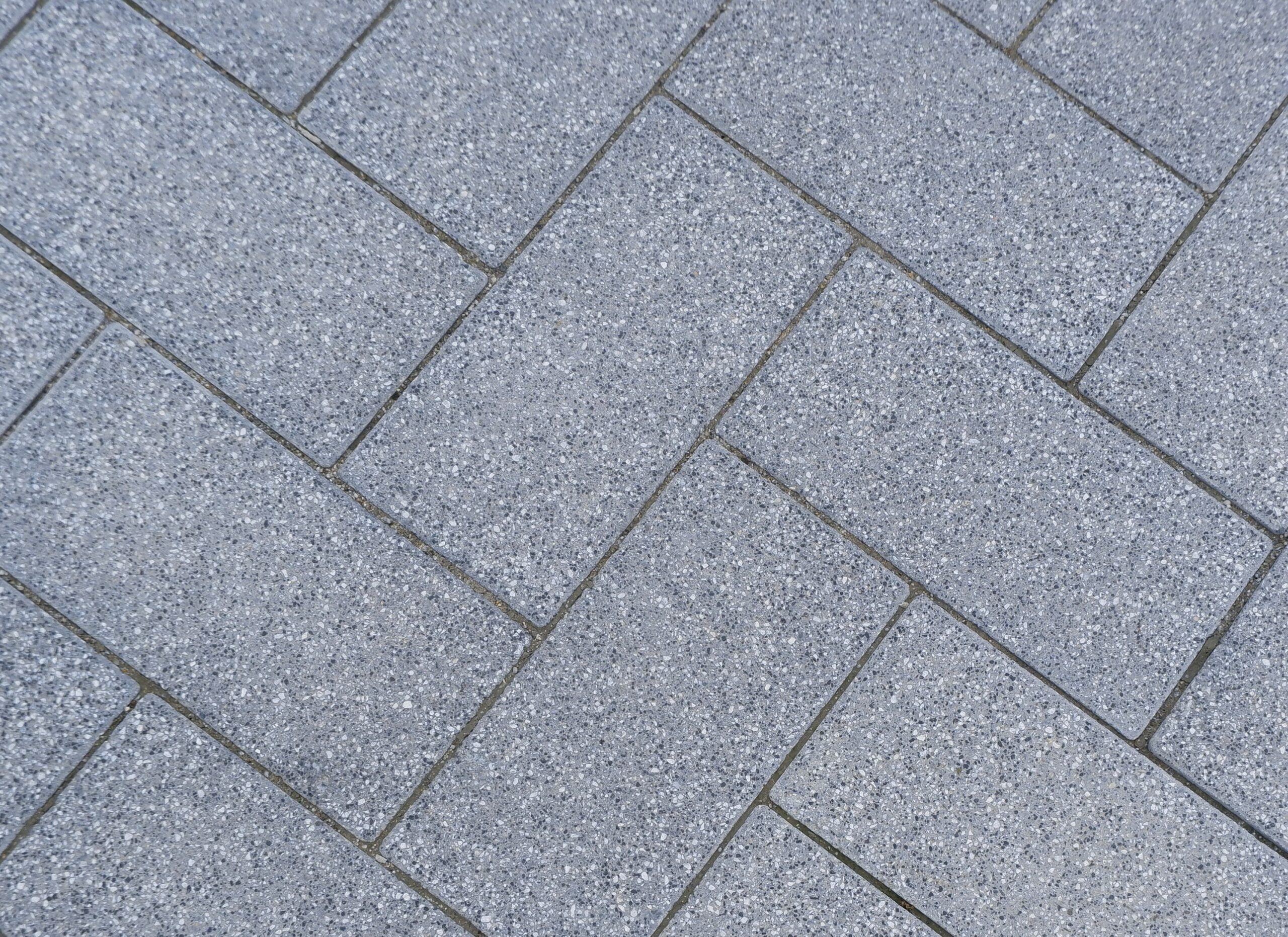
Terana Six | 20x10x10cm